
Documenting my attempts to live more sustainably
A couple of months ago I wrote about my entry into composting food and yard waste at home. Here is an update on how it’s going!
I recognized four issues that I wanted to address:
- My composting container was too small
- My compost pile was often dry
- The sticks/leaves (browns) I was adding were too big to compost quickly
- I wasn’t paying attention to the ratio of greens to browns
So I worked to address those issues and things are going well! I think within a month or so I’ll have some compost material ready to use around the garden.
1. Container Size: This was the easiest fix. I simply swapped out my old compost bin for a new one. I drilled more holes this time as I wanted to make sure everything could breath okay. The vertical nature of the bigger trash bin also makes layering easier (point #4). Just this past week I had to buy a second bin as the first one is nearly full!

2. Dry compost: I made a point to check the wetness of the compost every other day, adding water to keep it “like a wrung out sponge.” We had a very rainy June here and the holes in the top of my bin also allowed (possibly too much) moisture in. But it’s definitely not dry anymore!
3. Smaller compost pieces: This has been the most the most annoying change I’ve made, simply because composting requires more time as I am cutting down the waste (sticks, palm fronds, branches, etc) into smaller pieces. I’m contemplating getting a small chipper for the yard but this is TBD.
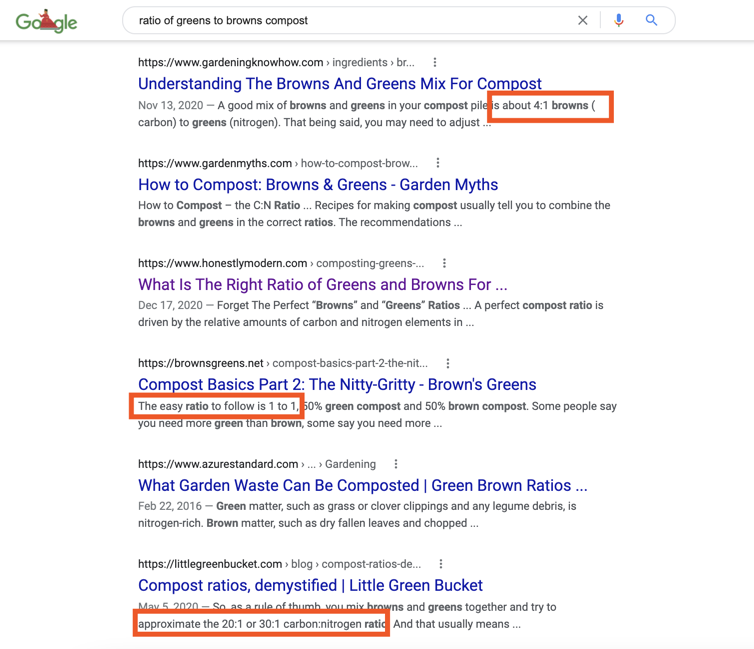
4. Ratio of greens to browns: My research is coming up with all sorts of answers here. I’m generally trying to stick with a 1:1ish ratio and this seems to be working okay and there are no unpleasant smells. Also I reassure myself that this stuff will decompose eventually no matter what I do, so we’ll keep going with 1:1.
What I’m liking about composting so far:
- Far fewer flies in the kitchen! I freeze any non-meat/non-dairy food waste and then compost it in our backyard. For meats and cheeses, which I’m not composting in my yard due to the risk of attracting animals, we have been using a wonderful composting subscription service here in Puerto Rico called Tais. They give us a small sealed bin and take our compost on Saturdays to an industrial composting facility. Between these two solutions, virtually all of our “organic” waste is taken care of and the only stuff that goes into the trash can is man-made and not smelly.
- Less trash overall! In a typical week my wife and I will generate about one or two kitchen bags worth of trash. Nearly all of our yard waste (cut grass, fallen leaves, sticks, etc) are going into compost. To help with larger yard waste, we’ve started a large compost pile in the back corner of our yard. More on this in a future post (with a guest star named Dr. Arbol).
- Recognizing how much waste we produce. This is sort of related to the previous point, but composting organic waste every few days has made me realize how much waste we produce, and we’re only two people.
Other updates and next steps:
Even though I’ve been adding lots of compost, the level of the first bin seems to have steadied off. So I think that’s a good sign that stuff is breaking down on the inside!
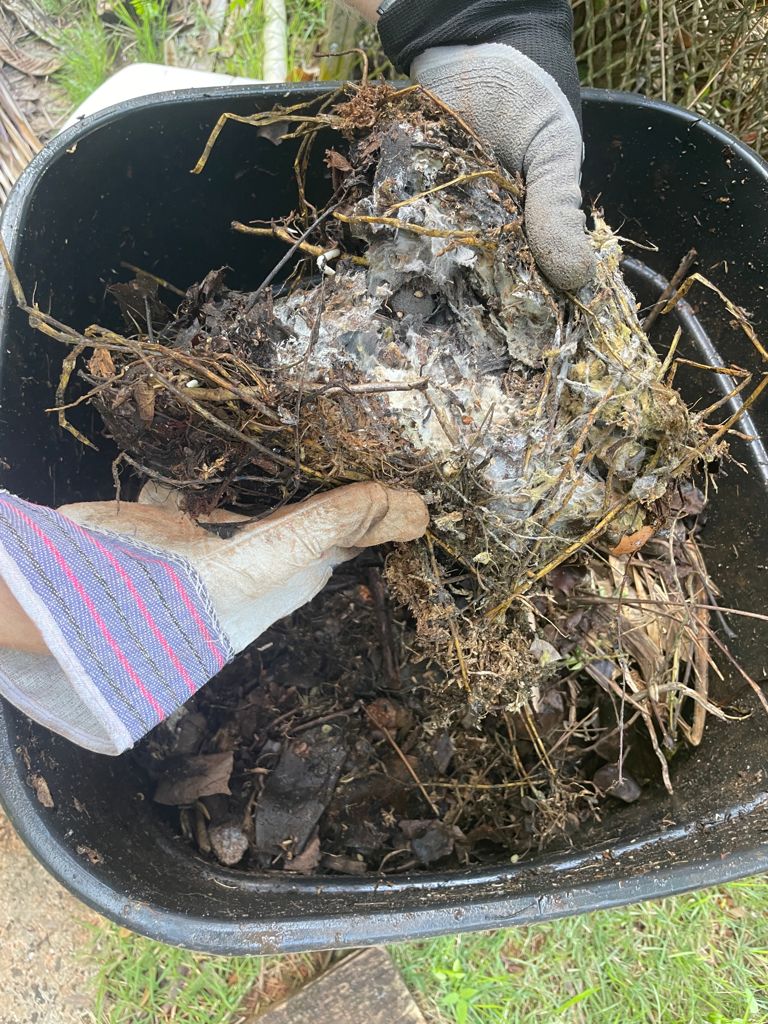
The compost also started growing some white stuff, it looked like some sort of fungus, but turns out it’s a helpful bacteria that appears near the end of the composting process:
I now need to do some more research on how to know my compost is actually “ready” and what to do then I think we’re getting close.
Stay tuned and take care!


 Gringo Green
Leave a reply to Composting at home: Chapter 3 (it’s ready!) – Gringo Green Cancel reply