“Recycling isn’t as awesome as we thought it was”
I began to research recycling as part of my journey to live more sustainably. While I’m proud that I’ve recycled for most of my life, I recognize how complacent I have become with the habit. I often told myself that by recycling I was doing my part to help the earth and keep climate change at bay. I’m not here to judge myself harshly for that, rather to acknowledge that I was wrong and know that recycling is not enough. Still, if something is worth doing (and recycling is), it’s worth doing right!
Reading about the state of recycling is humbling, frustrating, depressing and angering all at the same time. I’m parking those emotions for later, but I have noticed learning about climate change can trigger similar feelings. I’m looking to explore this in a future post.
The Bad News
In 2017 China declared it would no longer buy the world’s recycling for use in their factories. The reason for this change was that the recycling they were getting was too contaminated to use (i.e. mixed with too much non-recyclable waste). It was also causing serious health and environmental issues in their country.
The effects of this change are similar to those experienced when a store loses its biggest customer. Take Stamford, CT as an example of this on the local level. In 2017 the city made $95,000 by selling recyclables. A year later it paid $700,000 to have them removed.
The entire economics of recycling has been turned upside down, and for most towns the only viable solution is to stop their recycling programs or limit what they’ll recycle, since generally it’s cheaper to throw waste into a landfill or just burn it.
The unfortunate kicker is that this global shift comes at a time when we are consuming and producing more waste than ever.
Recycling in Puerto Rico
The recycling situation in Puerto Rico is dire, largely because of a lack of funds and lack of space.
The EPA has already ordered 12 of the island’s 29 landfills to close. These landfills don’t meet the EPA’s standards, usually for being over capacity or for leaking “leachate,” basically hot garbage water, into local communities. The EPA is currently taking legal action against the landfill in Toa Alta for not closing as ordered in 2017.
Adding to this is that only about 12-14% of waste in PR is recycled compared to 24% average in the US. During the pandemic, the waste generated in Puerto Rico also increased 15% (this is not unique to Puerto Rico, by the way).
I’m Not As Good at Recycling As I Thought
On a personal level, I thought recycling plastic worked like this: you throw any plastic material you have into your bin. The recycling company takes it, then they melt it all down into a plastic soupy sludge, and then they shape that sludge into new plastic stuff to be resold. Well I was wrong, although this is kind of how it actually works for recycling paper.
It turns out that there are seven different types of plastics. They’re numbered 1 – 7, and often times you can see this on the item itself (here we can see this bottled water cap is a #2). From what I’ve gathered, generally plastics #1 and #2 are recycled and the rest often aren’t. Mixing non-recyclable materials can lead to “contamination, and about 25% of potential recycling is discarded because of this. The number one contaminant? Plastic bags. The second is food residue left in bottles and jars.
In the US, since there is no federal recycling program, what you can and cannot recycle is usually determined by your local companies.
What to do?
Since I find that taking even small actions can help when I’m feeling overwhelmed, which I am feeling after reading all this, my first two steps were:
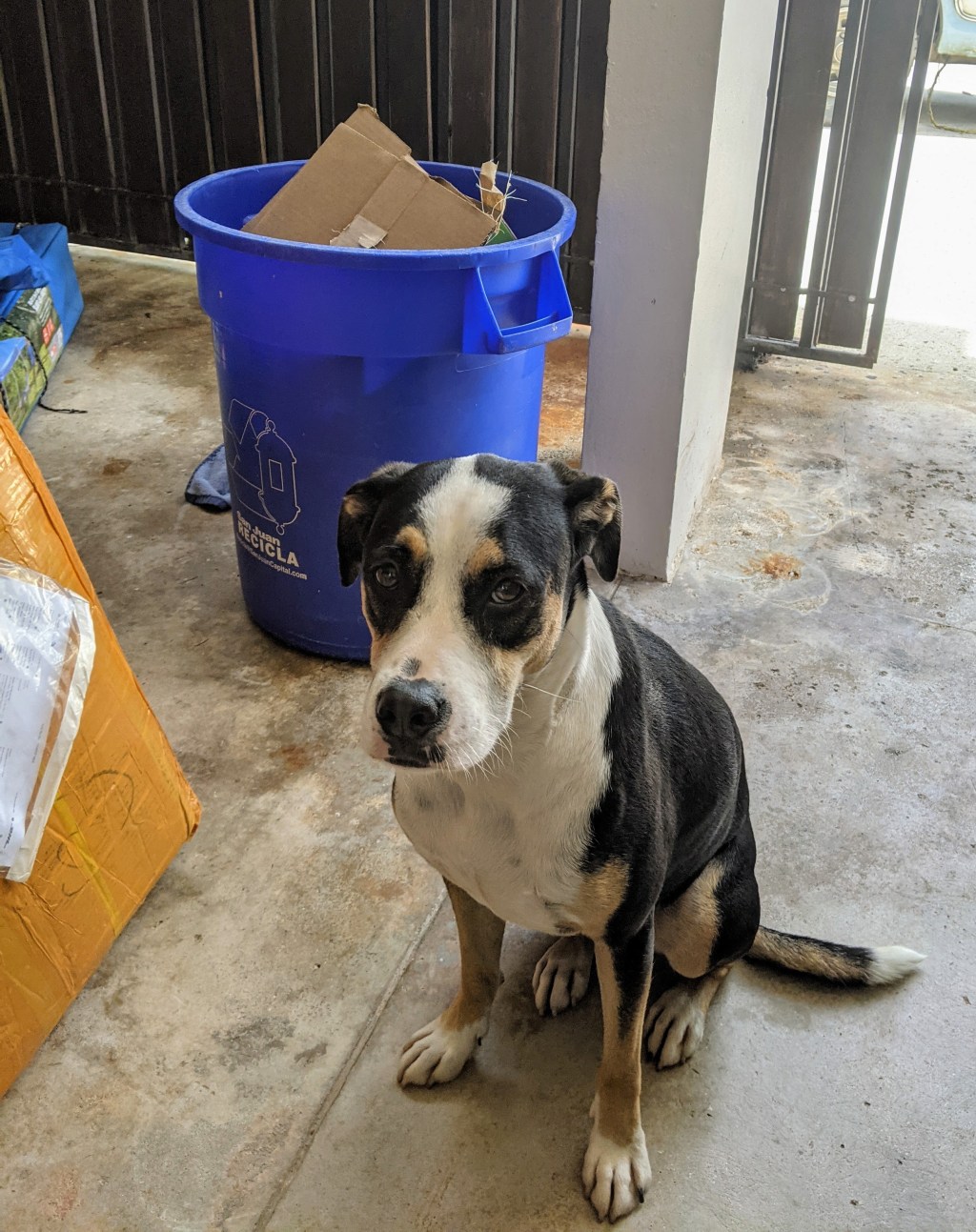
- Research what recycling is accepted in my area. (I found my recycling company’s name by looking at the recycling bin and Googled it). Here’s what ConWastePR will recycle for us:*

- Make sure to wash anything to be recycled!
There’s clearly much more I can and should do because recycling as it operates today is not enough. I’ll devote some future posts to this and end here with a quote from the end of this article (that last section is worth reading to feel hopeful).
“We will have to look beyond recycling alone to solve for our broader waste. We need to tap into new business models that allow us to reduce our consumption in the first place, and re-use materials where we can. This can include things like rental or service models. But while we work to scale these types of solutions, we can’t take our eyes off recycling.”


 Gringo Green

Leave a reply to Sustain blog Cancel reply