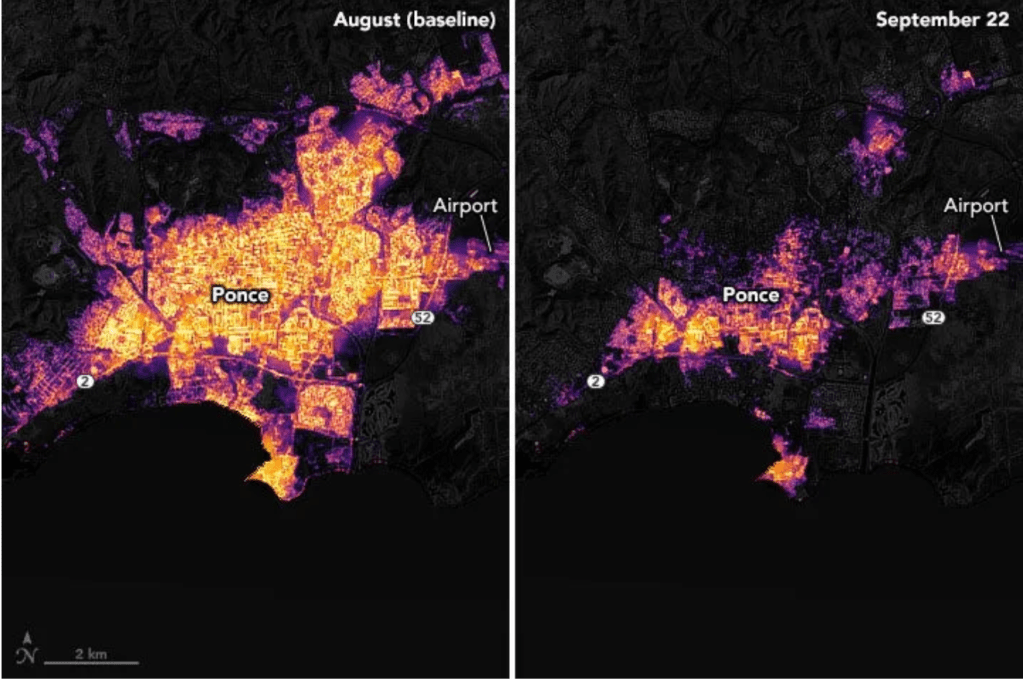
In Puerto Rico, the lights are out. Our power isn’t.
by Laura Napoli
Here we are again. Boricuas hardened and dispirited by five years of destruction: Hurricane Maria, the earthquakes, the pandemic, and now, Hurricane Fiona.
Here we are again at a US president’s press conference –minus the paper towels this time – packed with promises we’ve grown too cynical to believe. Mr. Biden’s visit, however well-intentioned, cannot extinguish Boricuas’ rightful distrust of government large and small, of the ultra-wealthy and corporations whose concern for Puerto Rico stretches only to the length of their interests.
In the wake of yet another disaster, at the edge of despair, what do Boricuas do?
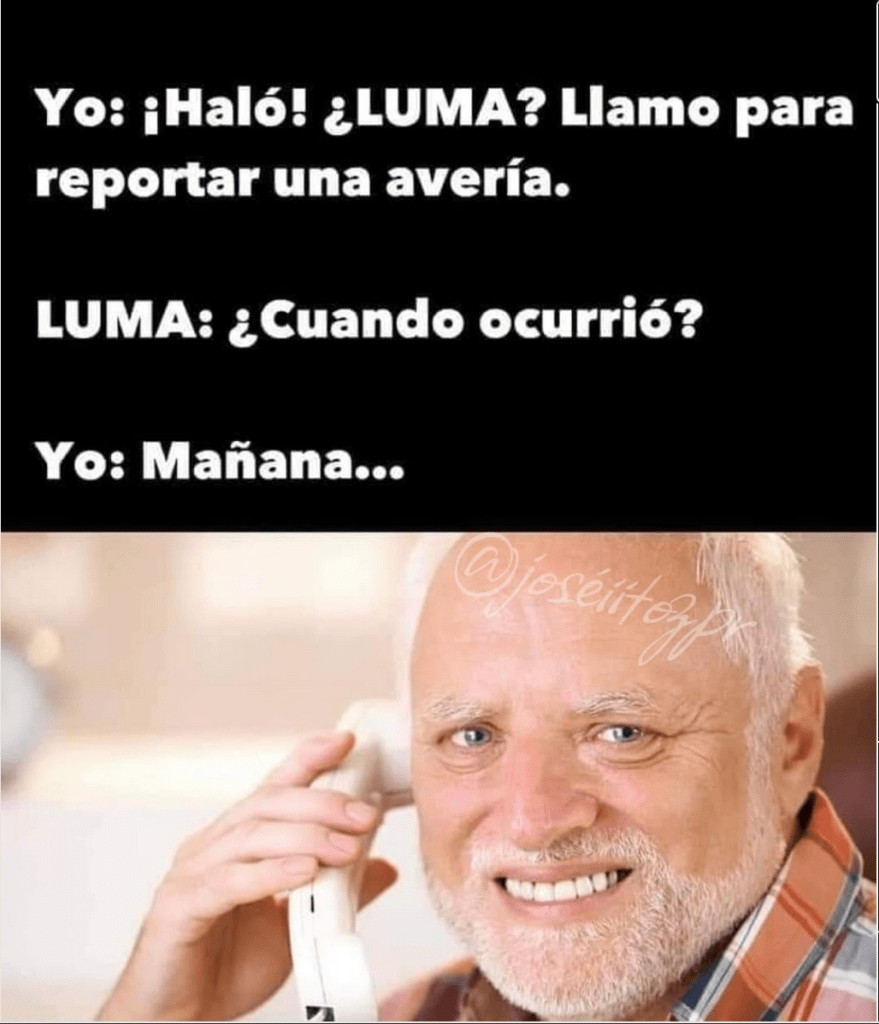
One thing we do is talk, and Puerto Ricans are excellent communicators. We meme to cope. We make genre-defying statements, like Bad Bunny’s collaboration with Boricua reporter Bianca Graulau. Pundits and regular people alike vent out our frustration, lamenting how little has changed since Hurricane Maria devastated the island in 2017.
We are victims, and the systematic failures to protect the most vulnerable among us must be held to account.
That’s not to say we’re powerless.
The outpouring of community and peer-to-peer support coordinated through social feeds and WhatsApp groups is no surprise to anyone who knows Puerto Ricans. It reflects another innate strength: We take care of each other.
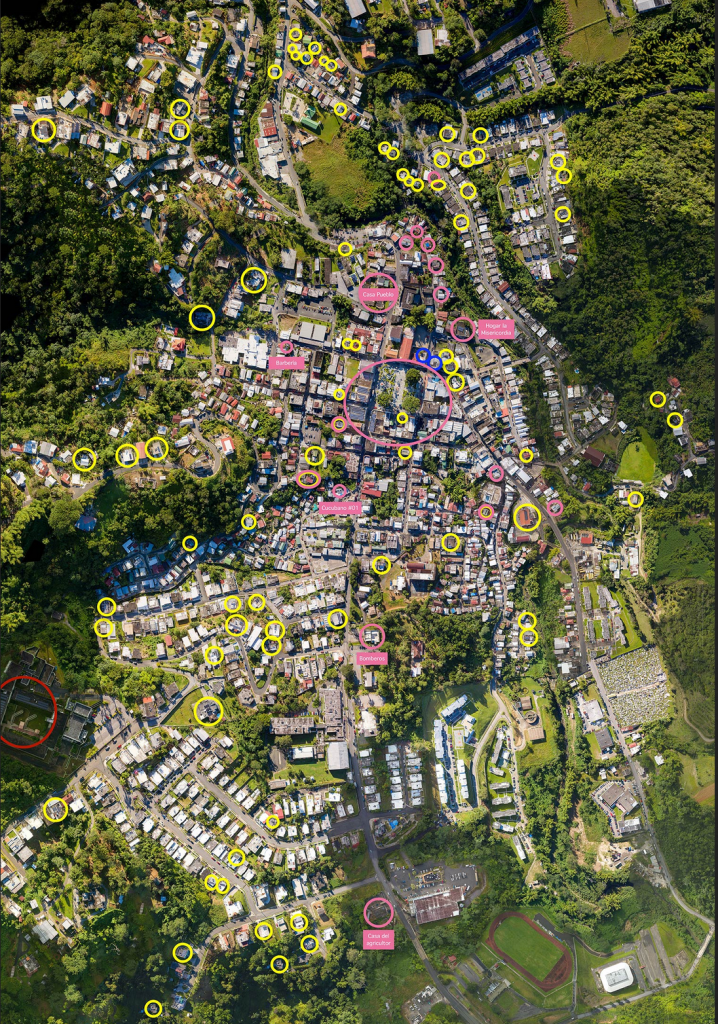
In the absence of real leadership from the public and private sectors, community-led initiatives have taken up the mantle of building a sustainable and resilient Puerto Rico. Nonprofits like ConPRmetidos and Casa Pueblo have equipped dozens of energy self-sufficient communities, contributing to the eight-fold increase in solar panels on the island since 2017. Even without organizing, Boricuas are collectively shifting toward more sustainable consumption, with 75% of consumers preferring to shop local, potentially boosting the island’s GDP. With the odds stacked against us, Puerto Ricans prove that cooperative, grassroots solutions can be efficient, effective, and enduring.
At the intersection of communication and community –Boricuas’ two superpowers– is advocacy.
It will take relentless advocacy from all of the island’s many talented people, at every level and in every sector, to build a sustainable and equitable Puerto Rico. Corporate and government leaders in particular must start asking, “What’s the most we can do for our island?” rather than “What’s the least we can do to get good press?”. The rest of us must continue to denounce systemic injustice and contribute to nonprofit and grassroots initiatives with our time, talents, and wallets.
Rev. Martin Luther King Jr. defined power as the ability to achieve purpose and effect change. When Boricuas speak up and band together, we reclaim our power. Together we must wield it in the direction of our dreams.
Laura Napoli is the founder & CEO of VITAL (vitalmarket.co)
featured image courtesy of NASA.

 Gringo Green
Leave a comment